
When a remodel reveals a significant hidden problem, you should get a clear explanation of what the team found, why it matters and what work is proposed. Before you approve a change, understand its effect on the agreed work, price and schedule.
Hearing “we found something” can leave you wondering how serious it is and whether the rest of the project is about to change. The next conversation should help you understand the situation well enough to make a decision.
At Cutting Edge, we discuss the possibility of unexpected conditions before construction begins. If a significant issue comes up, we work through the practical options with our team and explain them to you.
Ask to See What Was Found
A finished surface can hide conditions that aren't visible during a walkthrough. Removing materials may reveal work that needs closer evaluation before the next stage can continue.
Ask the team to explain the condition with a photo or, when appropriate, show it to you from a safe position. You don't need to enter an active work area to understand what they're describing.
Useful questions include:
- What exactly did you find?
- Where is it, and what part of the project does it affect?
- Why couldn't it be confirmed earlier?
- Do you know enough to recommend the next step, or does it need further evaluation?
“Unexpected” describes when something became apparent. It doesn't explain the cause or automatically establish who is responsible. Ask for that distinction if it matters to the situation.
Understand Why the Work Matters
An explanation should connect the condition to your project. “We need to do more preparation” is difficult to evaluate without knowing what that preparation is for.
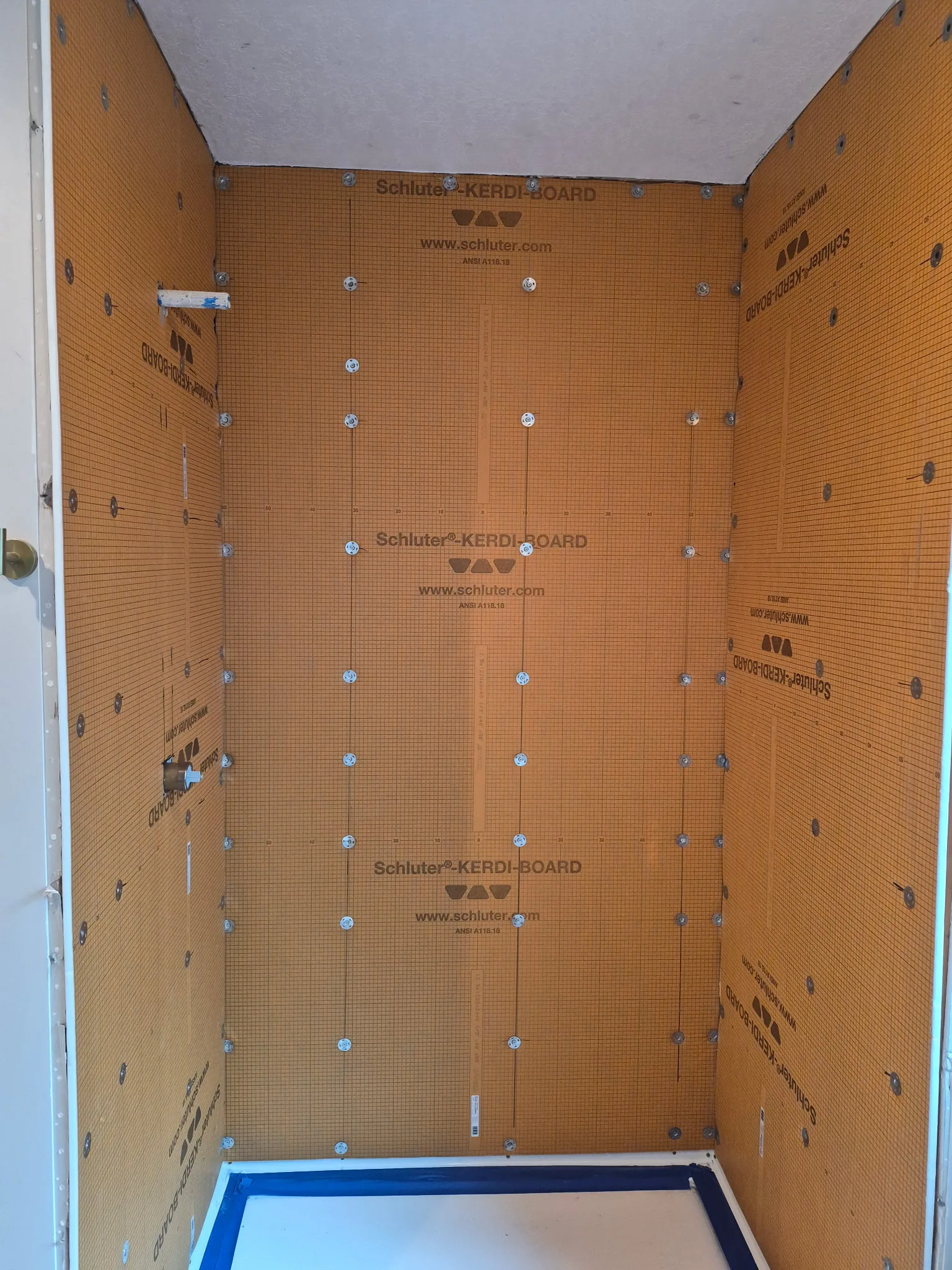
For example, if the team discovers a problem with the surface beneath an old floor, ask which area is affected and why the planned flooring can't go in as expected. Then ask how the proposed preparation addresses it.
Ask whether the work is necessary to complete the agreed project or whether it's an optional improvement. You should be able to tell the difference between addressing a condition the team uncovered and choosing to add a feature because the room is already open.
If further evaluation is needed, ask who will do it and what can be explained now. A clear account of what is still unknown is more useful than a confident guess.
Review the Available Options
Chance, our director of operations, works through significant issues with the team before bringing you the proposed change. That way, the conversation includes practical ways forward and what they would mean for your home.
Where there is more than one suitable option, ask what each one changes. Does it affect the layout? A finish you've chosen? Access to the room? The sequence of the remaining work?
Some conditions may have only one appropriate way forward. Ask the team to explain why, rather than assuming there must always be a menu of alternatives.
You should also know what the team recommends and the reason for that recommendation. You shouldn't have to become a construction expert to understand the decision in front of you.
Put the Agreed Change in Writing
A change order records a change to the work you've already approved. It should be clear enough that you can connect the document to the discussion you had.
Before approving it, check that the description explains the added or revised work, any change in price and any known effect on timing. If part of the impact is still uncertain, ask how that uncertainty will be resolved and communicated.
Keep the record with your original project documents. If the written description doesn't match what you understood, get that clarified before approving it.
This is also useful when the change starts with you. Adding a feature partway through the project deserves a clear discussion of what else it affects. The Iowa Attorney General's contractor guidance includes written terms and change-order practices among the things homeowners should review.
Ask What Happens Next
Once the approach is agreed, bring the conversation back to everyday details:
- What needs to happen before this part of the work can continue?
- Can other planned work carry on in the meantime?
- Does this change which rooms we can use?
- Do you need a selection or another decision from us?
- When will we hear the next update?
If you're living at home during the remodel, changes to room access may affect your arrangements even when the proposed work is limited to one area.
Our remodeling process includes regular progress updates and conversations about significant issues. After a problem is explained, you should know what you've approved, what remains uncertain and what the team is doing next.